How Packlier packs
Six steps, in this order, every time. Nothing is copied from a template.
- 1
You answer five questions
Add each traveler with an age. A nine-year-old and an adult get different lists, and an infant gets a quantity list instead of a grid.
Destination, dates, purpose, bag, palette.
- 2
It reads the climate
Choices made based on temperature, rain and humidity for your destination. Shoes included.
Forecast or historical averages.
- 3
It writes the color plan
Pick the palette. Everything matches. Swap pieces freely. A palette is a base, two neutrals and an accent.
Everything matches.
- 4
It solves the grid
Within the color plan it looks for the set that fits the climate, the purpose and the formality of your trip, with enough variety in fabric and shape that looks do not repeat. A weekend is 2×2×2, a week 3×3×3, two weeks 4×3×3.
3 × 3 × 3 = 27 outfits.
- 5
It fits the bag
If the plan is too big for your bag, it trims the pieces you would miss least. A winter coat is the last thing to go. If it still does not fit, it says so.
Usable space, not the label on the bag.
- 6
It adds all the extras
Underwear, socks, a rain shell, documents, chargers, first aid. For a group, anything shareable moves to one bag. Reuse lists from previous trips.
Hygiene, purpose, weather, essential.
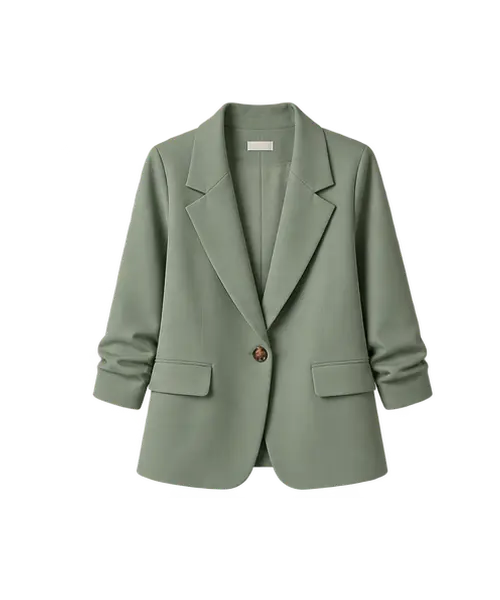
Any piece can be swapped
Tap a garment and the app shows only the alternatives that would have fit in that slot. Your choice is pinned. The bag fitter never trims a pinned piece.
You do not need to own what it picks. The grid describes each piece, so a linen shirt you already have counts as the linen shirt.
Or add a piece of your own or plan to buy. Name it, choose which slot it fills, and add a photo of it. The grid then shows your piece, not a drawing of one. The photo stays on your phone.
Free packs one traveler. Pro packs the whole party.
Pricing